

Why More Investors Are Turning to Multifamily Now
Every investor eventually faces the same challenge: how do you generate reliable income without taking unnecessary risk? Public markets move fast, bonds offer limited yield, and traditional retirement strategies often fall short of providing true financial independence.
This is why more accredited investors are shifting their focus to multifamily real estate—a time-tested, cash-flowing asset class that delivers durable returns through all phases of the economic cycle.
At Northwind Investment Group, we see this trend accelerating every year. Investors want passive income, tax efficiency, and tangible assets backed by real demand. Multifamily real estate delivers all three—without requiring the hands-on responsibility of being a landlord.
In this article, we’ll break down the strategic benefits, the underlying demand drivers, and why private equity multifamily investments continue to attract sophisticated investors seeking stability, consistency, and long-term growth.
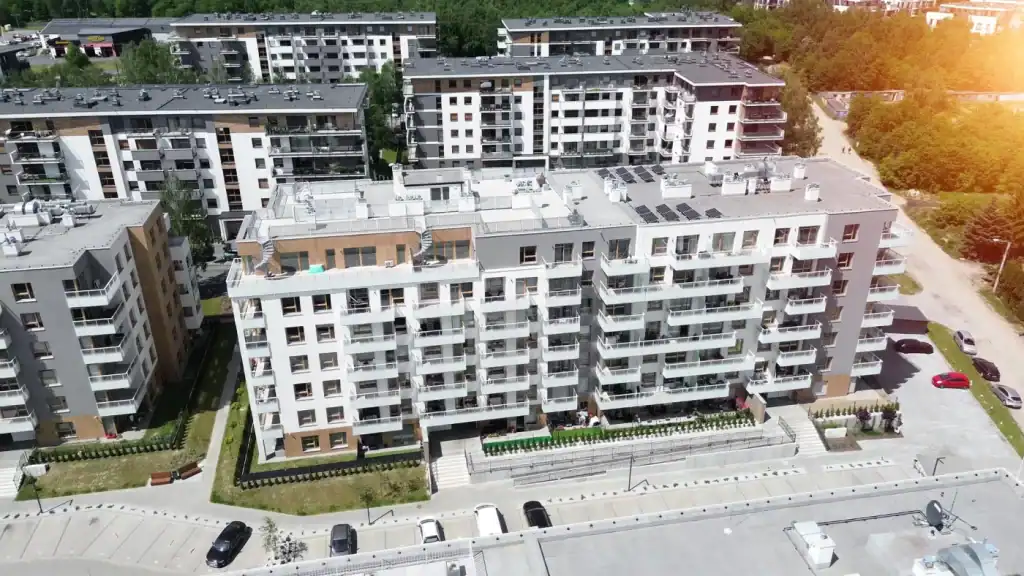
The Core Benefits of Multifamily Real Estate for Passive Investors
1. Durable, Predictable Cash Flow
Multifamily assets generate recurring revenue each month.
For passive investors, this translates to:
- Quarterly or monthly distributions
- Consistent yield potential
- The ability to offset market volatility elsewhere in the portfolio
At scale, multifamily properties enjoy lower vacancy risk because even if one unit is vacant, many others continue generating income. This inherent diversification is one of the reasons multifamily income streams tend to be more predictable than other property types.
Key takeaway: Multifamily provides stable, recurring income that investors can rely on—something stocks and bonds cannot consistently deliver.
2. Built-In Risk Mitigation Through Diversification
Unlike single-family rentals, where one tenant equals 100% of your revenue, multifamily spreads risk across dozens or hundreds of units.
This reduces exposure to:
- Vacancy interruptions
- Tenant turnover
- Individual economic events
In addition, multifamily performs well in various economic environments. During downturns, more households tend to rent instead of buy. During expansions, household formation accelerates. Multifamily demand remains strong in both cases.
Key takeaway: Multifamily’s unit-level diversification creates a naturally resilient income stream.
3. Significant Tax Advantages
Tax efficiency is one of the most underappreciated benefits of private equity real estate.
Multifamily investors may benefit from:
- Depreciation, including accelerated depreciation
- Cost segregation studies that increase paper losses
- 1031 exchanges (in certain structures)
- Pass-through deductions
- Offsetting passive income with passive losses
This means investors may receive cash distributions while reporting little to no taxable income, depending on their situation.
Key takeaway: Multifamily allows investors to keep more of what they earn, enhancing net returns.
4. A Powerful Hedge Against Inflation
Rents generally adjust annually, allowing multifamily assets to naturally keep pace with inflation. As the cost of living increases, so do rental rates—while many operating expenses remain relatively stable due to long-term contracts.
This creates:
- Rising income
- Increasing property value
- Protection of purchasing power
Hard assets like real estate have historically been one of the most reliable inflation hedges available.
Key takeaway: Multifamily preserves wealth and purchasing power as prices rise.
5. True Passivity Through Professional Management
Unlike direct ownership, private equity multifamily places all operational responsibility in the hands of an experienced sponsor. Investors don’t need to:
- Manage tenants
- Handle maintenance
- Collect rent
- Oversee renovations
- Navigate financing or compliance
At Northwind, our teams handle everything—from acquisition to asset management to exit strategy.
Key takeaway: Investors enjoy the benefits of real estate without the burden of active management.

Why Multifamily Outperforms Single-Family and Other Real Estate Segments
Many investors start with single-family rentals, only to discover that scaling is labor-intensive and inconsistent. Multifamily offers several key advantages:
Scalability
It’s far easier to manage 100 units under one roof than 100 homes scattered across a city.
Lower Cost per Unit
Multifamily properties often have a lower cost per unit, driving efficiencies in:
- Maintenance
- Staffing
- Renovations
- Utilities
Higher Occupancy Stability
Tenant turnover in single-family homes causes material cashflow gaps. Multifamily smooths out these fluctuations.
Diversified Tenant Base
Income doesn’t depend on one household. Multifamily distributes risk across many.
More Reliable Demand
People will always need a place to live—and multifamily sits at the center of the housing ecosystem.
Key takeaway: Multifamily delivers better scalability, risk mitigation, and operational efficiency than most real estate alternatives.
Private Equity Multifamily: Amplifying Returns Through Professional Stewardship
Private equity structures allow individual investors to participate in institutional-quality properties that would otherwise be inaccessible.
1. Better Underwriting and Deal Selection
Sponsors analyze hundreds of deals and select only a small percentage that meet strict return, risk, and market criteria.
2. Value-Add Opportunities
Professionally managed renovations and operational improvements can increase:
- Occupancy
- Rents
- Net operating income
- Property value
3. Economies of Scale
Large properties benefit from optimized staffing, bulk purchasing, and modern technology—improving margins.
4. Aligned Incentives
Sponsors typically earn performance-based compensation, ensuring alignment with investor success.
5. Robust Risk Management
Professional teams manage:
- Market analysis
- Tenant demographics
- Exit planning
- Debt structure
- CapEx reserves
Key takeaway: Private equity multifamily is designed to enhance returns while reducing operational risk for passive investors.
Demand Drivers: Why Multifamily Is a Long-Term Structural Opportunity
Across the U.S., several powerful forces support sustained multifamily demand:
1. Growing Household Formation
Younger generations prefer renting for flexibility—and often affordability.
2. High Barriers to Homeownership
Rising home prices and interest rates have made homeownership difficult for many.
3. Supply Constraints
New construction continues to lag long-term demand in many markets.
4. Urbanization and Migration Trends
Certain high-growth regions continue to experience strong population inflows.
5. Lifestyle Preference Shifts
More tenants seek convenience, amenities, and professionally managed environments.
Key takeaway: Multifamily remains a durable, long-term investment supported by fundamental demographic and economic trends.
Passive Income in Practice: What Investors Can Expect
Passive doesn’t mean passive by accident—it requires structure.
Private equity multifamily typically provides:
1. Cash Flow Distributions
Paid monthly or quarterly, depending on the project.
2. Regular Reporting
Investors receive:
- Financial summaries
- Occupancy updates
- Business plan progress
- Tax documentation
3. Defined Hold Period
Most assets are held for 3–7 years, depending on strategy.
4. Professional Oversight
Asset managers monitor performance, rent growth, expenses, and capital improvements.
5. Alignment of Risk and Reward
Equity investments include preferred returns, profit splits, and downside protection mechanisms depending on the structure.
Key takeaway: Passive investors receive steady updates, clear expectations, and consistent income—without hands-on effort.
How Multifamily Fits Into a Diversified Investment Portfolio
Multifamily is increasingly used as a stabilizing anchor within diversified portfolios.
It reduces volatility
Real estate returns do not correlate strongly with public markets.
It provides income
Many investors use distributions to supplement other investment income.
It supports long-term wealth creation
Through appreciation, forced value creation, and tax benefits.
It strengthens overall portfolio resilience
Especially during inflationary or recessionary periods.
Key takeaway: Multifamily helps balance risk, enhance yield, and create a more resilient long-term investment framework.

Common Questions from First-Time Passive Investors
1. Is multifamily still a good investment in today’s market?
Yes—multifamily demand is persistent, and value-add opportunities continue to create strong risk-adjusted returns.
2. What happens during a recession?
Historically, multifamily occupancy remains stable. Many renter households actually increase during downturns.
3. How liquid is a multifamily investment?
These are private equity investments with defined hold periods. Investors should expect the capital to remain invested until the asset is sold or refinanced.
4. How do I evaluate a sponsor?
Track record, transparency, communication, conservative underwriting, local market expertise, and alignment of incentives are essential.
5. What type of returns are typical?
Returns vary by deal, market, and timing. Investors should focus on risk-adjusted returns rather than headline numbers.
Conclusion: Why Now Is an Opportune Moment for Accredited Investors
Multifamily real estate stands out as one of the most strategic, durable, and income-generating investment opportunities available today. It blends stability with upside potential, strong demand with responsible risk management, and passive cash flow with meaningful tax advantages.
For accredited investors seeking consistent yield and long-term wealth building, multifamily provides a compelling answer to the question:
Where can I invest confidently, no matter the market cycle?
If you’re exploring opportunities to diversify your portfolio with professionally managed multifamily investments, we invite you to join the Northwind Investor Portal to access upcoming offerings and insights.